
Why do some Texas homes need more solar panels than others in 2026? This page explains how home size, energy habits, roof conditions, and shading influence the solar system size you actually need.
Why Texas Homes Need Different Solar System Sizes
Texas homes are not small, and most have larger square footage, higher cooling needs, and long hot seasons. Air conditioning alone can push energy use way above the national average, so system size can jump quickly depending on the home.A house with two HVAC units needs more solar than a smaller home with one. Same story for homes with pools, EVs, and electric water heaters. These loads add up fast.
This is why two homes on the same street can end up with totally different solar sizes. It often has less to do with the roof and more to do with the lifestyle inside the home that drives the numbers.
How Monthly Energy Use Shapes Your System Size
Your electric bill is the fastest way to figure out how big your solar system should be. Look at your “kWh used” each month. That number tells installers exactly how much power your home needs to offset your bill.
Here’s a simple breakdown:
8,000–12,000 kWh per year → 8–11 kW system
14,000–18,000 kWh per year → 12–15 kW system
20,000+ kWh per year → 16–20 kW system (EVs/pools)
Many Texas homes fall into the middle or upper ranges because AC runs most of the year. Even conservative users often land closer to 10 kW once everything is added up. For example, a 2,200-square-foot home in Dallas that uses about 1,400 kWh per month will often end up with a 12–13 kW system once AC and everyday loads are included.
If your bill varies wildly from month to month, installers average your usage to find a clean number. This creates a system size that works through the whole year, not just summer.
How Roof Size and Direction Affect Your System Size
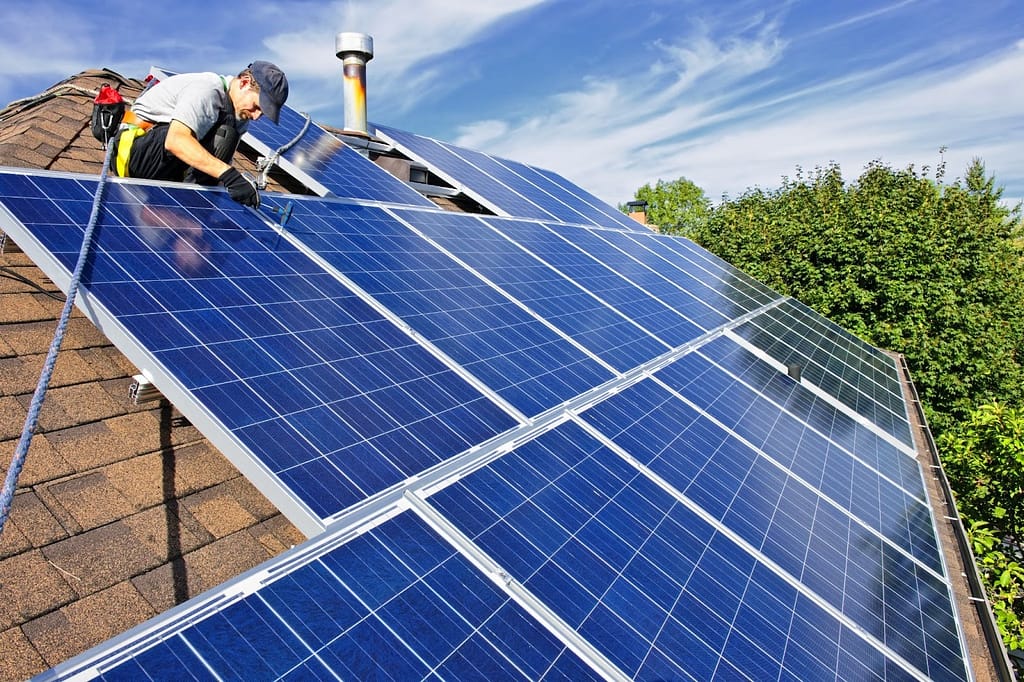
Even if your home needs a big system, your roof has to support it. Solar works best on south-facing slopes because they get the strongest sun in Texas. East and west work too. North doesn’t do much unless the pitch is shallow. If your roof is large and open, you can fit more panels without a problem. But if you have lots of vents, dormers, or shady spots, the usable space shrinks. This doesn’t mean you can’t go solar. It just means the installer may switch to higher-efficiency panels to reach your target size.
Some homes end up with a mix of roof faces because it’s the only way to hit the needed kW. It’s common in Texas neighborhoods where shade patterns shift during the day.
A clean roof layout almost always leads to better performance, with fewer breaks, better airflow, and easier installation.
How Texas Sunlight Changes System Size Needs
Texas gets more sun than most states. This helps offset energy use, but it also affects system size. A home in Houston may need a slightly larger array than a home in El Paso because the weather varies across the state. Rainy areas need a bit more capacity. Sunny areas need less. Both still benefit, but the final size changes based on how many clear days your region gets each year. Solar installers use production maps to estimate how much energy each panel will create. That’s how they match your usage to the system you need.
How EV Charging Adds to Your Solar Needs
More Texas homeowners are buying electric vehicles. Charging an EV can add a huge load to your monthly energy use. Even a few hours of charging per day can push your system size up by several kilowatts. A Level 2 charger can add 3,000–4,000 kWh per year on its own. That’s nearly a 3–4 kW increase in solar system size. If you’re planning to buy an EV soon, it’s smarter to size the system for future use now. This keeps you from having to add panels later, which can be more expensive.
How Battery Storage Affects System Size
A battery doesn’t change how many panels you need, but it changes how your home uses the energy produced. Some homeowners size up slightly to ensure their battery stays full and the house stays powered at night. If you want backup power for outages, your system may need an extra kilowatt or two. If you only want time-of-use savings, the installer might size your system right at your average usage. Texas storms and grid issues make battery storage more popular every year. Homeowners don’t mind adding a little more solar if it means reliable backup power.
What a Typical 12–15 kW System Looks Like
A 12–15 kW solar system usually includes 30–40 panels, depending on panel efficiency. Higher-efficiency panels need fewer spots on the roof and produce more energy per square foot.
Here’s a quick feel for what each size covers:
– 12 kW → average Texas homes
– 15 kW → larger homes/heavy AC/EV use
Most Texas homes land between 12–15 kW because summers push usage up. Even moderate users often hit 13–14 kW once installers run the numbers.
Why Sizing Matters More in Texas Than Most States
Texas is unique, with long heat waves, high cooling demand, big homes, and a grid that doesn’t always hold up during storms. Too small, and it won’t cover your bill. Too big, and excess power goes to waste if your utility caps credits. Accurate sizing matters. You want a system that matches your lifestyle and your local utility rules. That’s why installers rely on your bill, not guesswork.
Final Thoughts
Texas homes typically need 12–15 kW of solar in 2026, though your usage, roof layout, and goals determine the perfect fit. A quick look at your electric bill tells you more than anything else. If you want to know exactly what your home needs, start with a personalized solar estimate from Good Faith Energy. It’s the fastest way to see your true system size and expected savings.
GFE has sized systems for 100+ Texas roofs. With 20+ years of experience, we understand big homes, high AC loads, and storm-prone grids better than anyone, delivering accurate system sizing every time.
Fact Checked by Lisa Musser on 12/10/25