
How Many Solar Panels Do You Need to Power a Home in Texas?
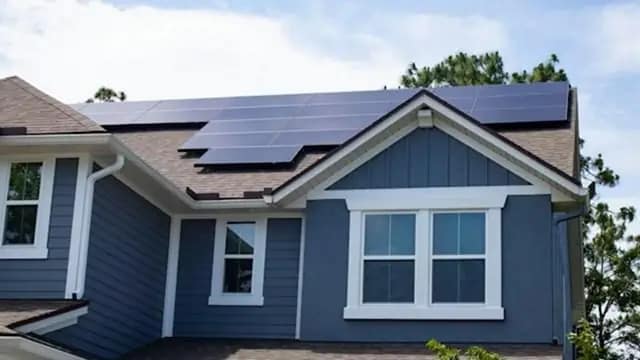
Texas summers push air conditioners to their limit, and that shows up on the electric bill every single month. “How many solar panels do I need” is usually one of the first questions homeowners ask once they start pricing out solar, and the real answer comes down to your home’s actual numbers rather than a flat rule of thumb. The math behind it is easier to follow than most people expect, and knowing it ahead of time puts you in a much stronger position once you start comparing quotes.
What Determines How Many Panels Your Home Needs
Four things drive the number: how much electricity your household uses, how much sun your roof actually gets, the wattage of the panels themselves, and how much usable roof space you have to work with. A family running two AC units through a Houston summer will need a different system than a retired couple in a smaller San Antonio home. Panel wattage matters too. Higher-output panels mean fewer panels can cover the same usage, which helps on roofs with limited space or heavy shading from trees.
How Much Electricity Does the Average Texas Home Use?
Statewide, homes use somewhere between 1,100 and 1,600 kWh a month, averaging around 1,096 kWh per month according to the U.S. Energy Information Administration’s most recent data, with the range coming down to home size and how much that AC runs from June through September. A 1,500 to 2,500 square foot home typically lands around 1,100 to 1,200 kWh monthly, while larger homes over 2,500 square feet often climb past 1,500 kWh. Pulling twelve months of actual electric bills is still the most accurate way to know your own number, since a mild winter and a brutal summer can look completely different on paper.
The Simple Math Behind Solar Panel Sizing
Once you know your monthly usage, sizing a system comes down to a formula solar installers use every day: take your annual electricity use, divide it by your peak sun hours per day, then divide that number by 365, and you’re left with the system size in kilowatts. Texas averages about 4.92 peak sun hours a day statewide, running higher in summer and lower in winter.
Here’s what that looks like for a Dallas home using 1,500 kWh a month, or 18,000 kWh a year. Divide 18,000 by 4.92 peak sun hours, then by 365 days, and you land on roughly a 10 kW system. With standard 400-watt panels, that comes out to about 25 panels. A smaller home using closer to 1,000 kWh a month might need 15 to 18 panels, while a large home running 2,000 kWh a month could need closer to 33.
How Many Panels Does a Typical Texas Home Need?
Put those numbers together and most Texas homes fall somewhere between 20 and 34 panels, with the statewide average system landing around 12 to 13 kW, or roughly 30 to 33 panels at 400 watts each. Texas summers run longer and hotter than what homeowners in milder climates deal with, which is why that average sits well above the national number, and why a system sized for a mild-climate state almost never fits a Texas roof correctly. Local sizing matters more here than in most parts of the country.
What This Costs in Texas Right Now
Solar in Texas currently runs around $2.25 per watt installed, which puts an average 12 to 13 kW system in the neighborhood of $28,000 to $29,000 before any discounts. That number has shifted for homeowners going solar in 2026: the federal 25D tax credit is gone for anyone installing now: it used to knock 30% off the price for homeowners who own their system, but the IRS confirms it isn’t allowed for any expenditures made after December 31, 2025. It hasn’t disappeared entirely for everyone, since leased systems and power purchase agreements can still pass through a commercial version of the credit, but homeowners buying a system outright no longer get that break directly. That’s part of why installers are leaning harder on their own financing options this year, including $0-down loans and manufacturer or dealer discounts, to help close the gap the federal credit used to cover.
Solar Buybacks Look Different Depending on Where You Live
Texas doesn’t have a statewide net metering law, so how solar buyback works comes down to where you live. Homeowners in Austin get one of the better deals in the state through Austin Energy’s Value of Solar rate, currently credited around 9.91 cents per kWh. CPS Energy customers in San Antonio see a lower avoided-cost credit, typically in the 3 to 4 cent range. Most of the Dallas-Fort Worth metro and Houston sit in deregulated ERCOT territory, where the credit varies by which retail electric provider you choose, with buyback plans ranging from a few cents per kWh up to a full retail match. Choosing the right plan can be worth hundreds of dollars a year, so it’s worth comparing before signing with a provider.
Frequently Asked Questions
Do more expensive panels mean I need fewer of them? Generally yes. Higher-efficiency panels produce more power per panel, so a smaller number of them can cover the same usage. That trade-off is worth considering on roofs with limited space.
Does cloudy weather change how many panels I need? It can. Homeowners in parts of the state with more overcast days sometimes size slightly above the standard formula to make up for lower average sun exposure across the year.
Should I size my system for 100% of my usage? Not necessarily. Many homeowners size for 80 to 100% of their annual usage rather than trying to offset every kilowatt-hour, since buyback rates in most of Texas are lower than the retail rate you’d otherwise pay.
Will adding a battery change how many panels I need? Not directly. A battery stores power your panels already produce, so it doesn’t change the panel count on its own, though some homeowners add a few extra panels to keep the battery fuller on cloudy days.
How accurate is an online solar calculator compared to a real quote? It’s a solid starting point, but an online estimate can’t see your roof’s actual shading, orientation, or condition. A site-specific quote is the only way to get an exact panel count.
How to Get an Exact Number for Your Home
The formulas above will get you in the right range, but your roof’s shading, orientation, and your household’s real usage are what turn that range into an exact number. Good Faith Energy has been sizing and installing systems across the Dallas-Fort Worth, Austin, Houston, and San Antonio areas for over a decade, backed by more than 700 five-star reviews from homeowners who’ve been through this exact process. An instant online estimate is a fast way to see where your home lands before you talk numbers with anyone.